Step-by-Step Strategies for Filing a Stronger Patent
Processing a patent safeguards your invention from being replicated, bought, or employed without your permission. For inventors and entrepreneurs in Denver, Colorado—and across the United States—understanding the patent lawyer method is just a important first step toward acquiring intellectual home rights. Based on the United States Patent and Brand Office (USPTO), over 650,000 patent purposes are filed each year, highlighting so how competitive the advancement landscape has become. How Several Inventors Properly File Patents? Reports show that roughly 52% of patent applications submitted with the USPTO are ultimately granted. Nevertheless, purposes that are poorly prepared or incomplete experience somewhat larger rejection rates. Professional advice and complete planning create a measurable big difference in outcomes. What Will be the Main Types of Patent Programs? You can find three main patent forms open to U.S. inventors: Energy Patents: Cover new techniques, models, or compositions of matter. These account fully for around 90% of most patents granted. Style Patents: Protect the unique aesthetic look of a product. Place Patents: Connect with just created or found place varieties. Knowing which category your technology comes below patterns the entire processing process.

What Measures Are Involved in Processing a Patent Application ? Step 1 — Record Your Innovation Record every aspect about your innovation, including how it operates, what issue it eliminates, and when you produced it. Outdated paperwork is essential for establishing priority. Step 2 — Perform a Patent Search Before processing, search present patents through the USPTO database. In Denver, Colorado, inventors can also entry the Patent and Trademark Reference Center (PTRC) for in-person research assistance. Step 3 — Determine Your Application Type Decide between a Provisional Patent Application (PPA) and a Non-Provisional Patent Application. A PPA determines an earlier processing date and provides you with 12 weeks to record the full application. Step 4 — Make Your Application A whole non-provisional application contains statements, images, an abstract, and an in depth description. Statements are probably the most important section—they officially establish the scope of your protection.
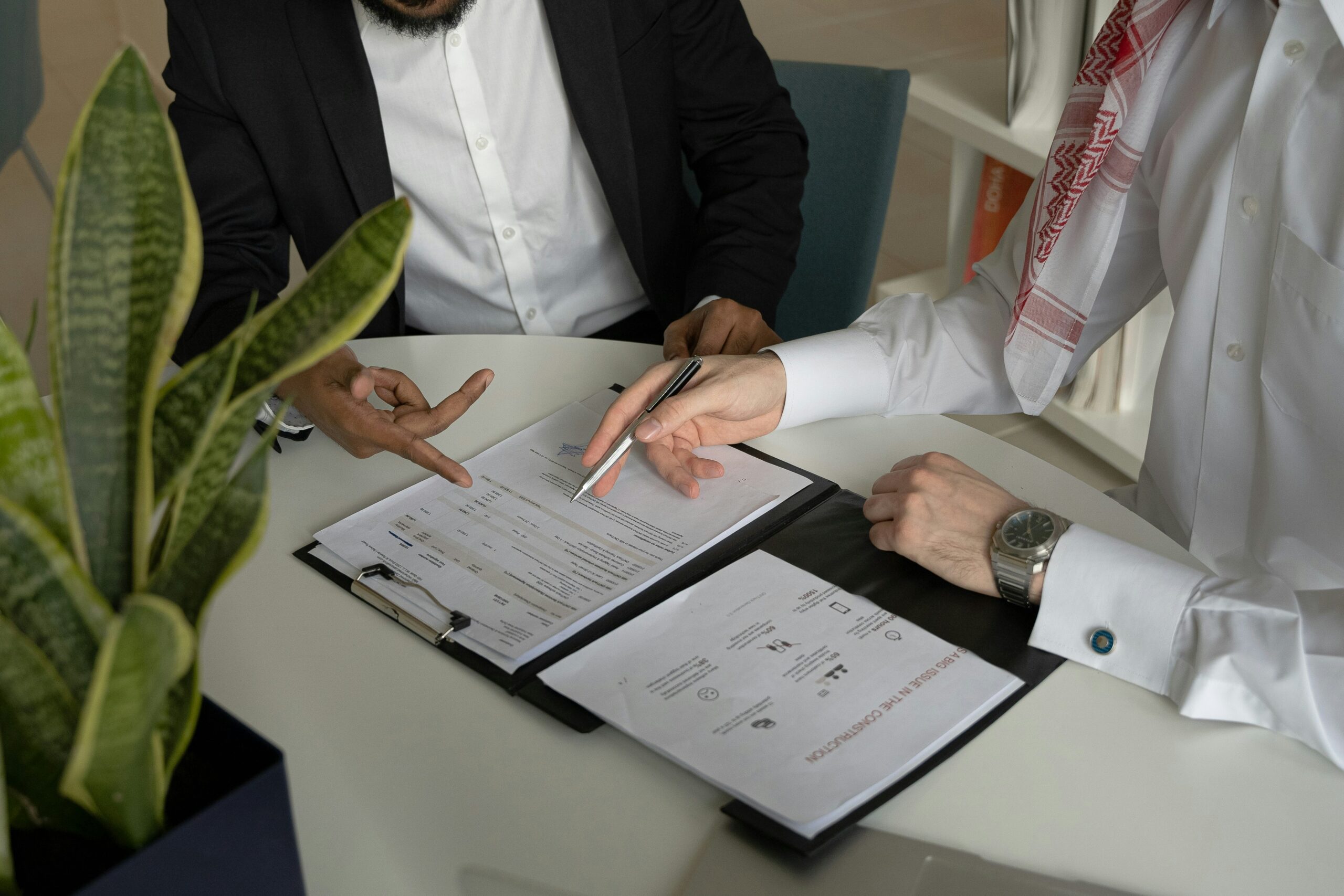
Step 5 — Record with the USPTO Submit your application online through the USPTO's Patent Center portal. Filing charges vary: as of 2024, standard electricity patent processing costs for small entities begin at around $320. Step 6 — Check Your Application After submission, a USPTO examiner evaluations your application. Reaction times normal 18 to 24 months. You may get an Company Action requesting prepared answers to examiner objections. How Significantly Does It Charge to Record a Patent in the U.S.? Full costs an average of range between $5,000 to $15,000 whenever using a registered patent lawyer, depending on complexity. For solo inventors in Colorado, USPTO price savings all the way to 60% are available for qualifying micro-entities. Is Professional Support Value It When Processing a Patent ? Yes. Knowledge from the USPTO confirms that programs prepared by documented patent attorneys or brokers have a especially larger offer rate than seasoned se (self-filed) applications. Provided the long-term value of intellectual house defense, qualified help is just a sound investment.